Regenerative Medicine
Non-operative, ultrasound-guided treatments that focus your body's own ability to heal — for osteoarthritis, tendinopathies, and damaged spinal discs.
Minimally Invasive Sports Medicine
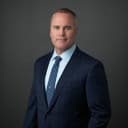
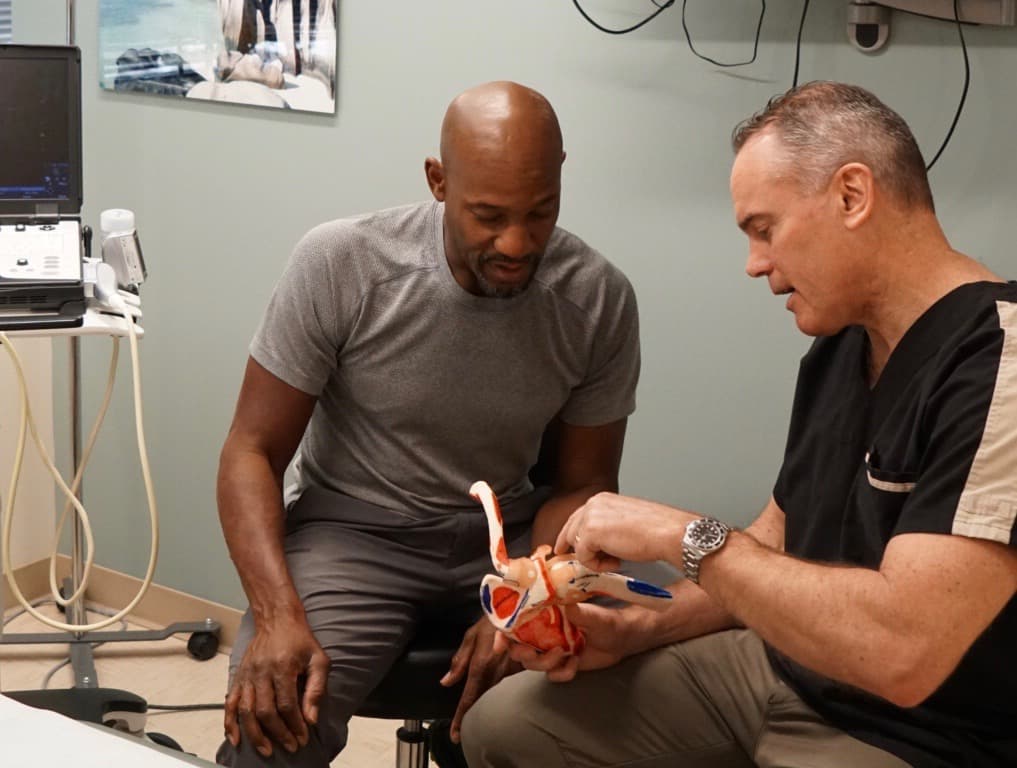
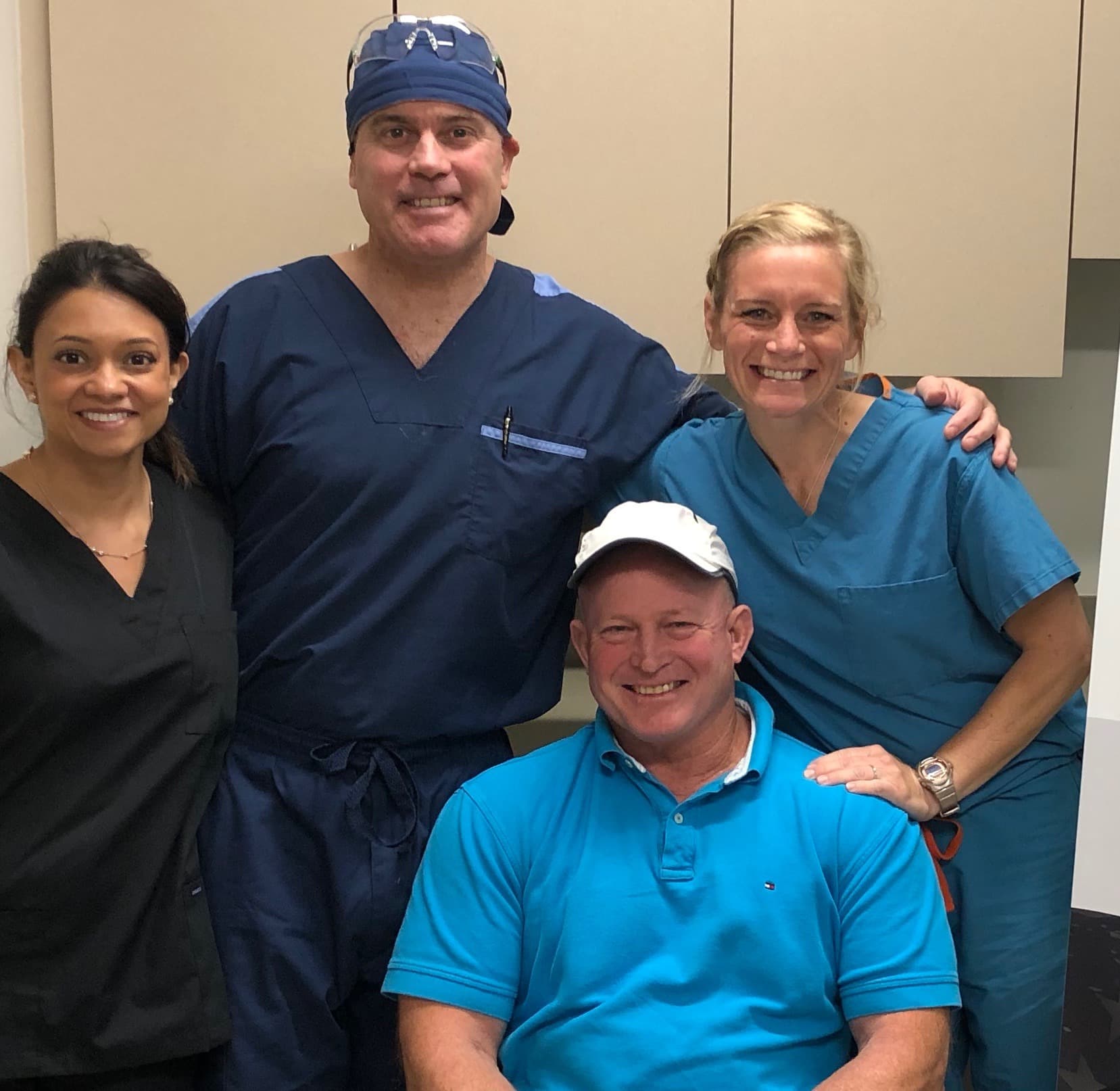
Sean Mulvaney, MD is Chief Science Officer at Regenerative Orthopedics and Sports Medicine (ROSM) in Annapolis, Maryland — the same office as the SGB Treatment Center. He treats musculoskeletal, nerve, and spine injuries using ultrasound and fluoroscopic-guided regenerative techniques, avoiding surgery whenever possible.
See It in Action
Here is an example of Dr. Mulvaney performing a precise ultrasound-guided injection of a partial thickness tear in a rotator cuff of the shoulder.
Bone Marrow Aspirate Concentrate (BMAC)
Uses your bone marrow's mesenchymal stem cells and growth factors, harvested from your pelvis and concentrated in-office, then precisely placed under ultrasound or fluoroscopic guidance into the site of injury to initiate repair of damaged cartilage, tendons, ligaments, and vertebral discs. In clinical use since the 1990s, with published randomized controlled trials supporting its effectiveness and safety for osteoarthritis and degenerative disc disease — a single outpatient procedure, with most patients returning to light activity within a few days.
Download Patient Info (PDF)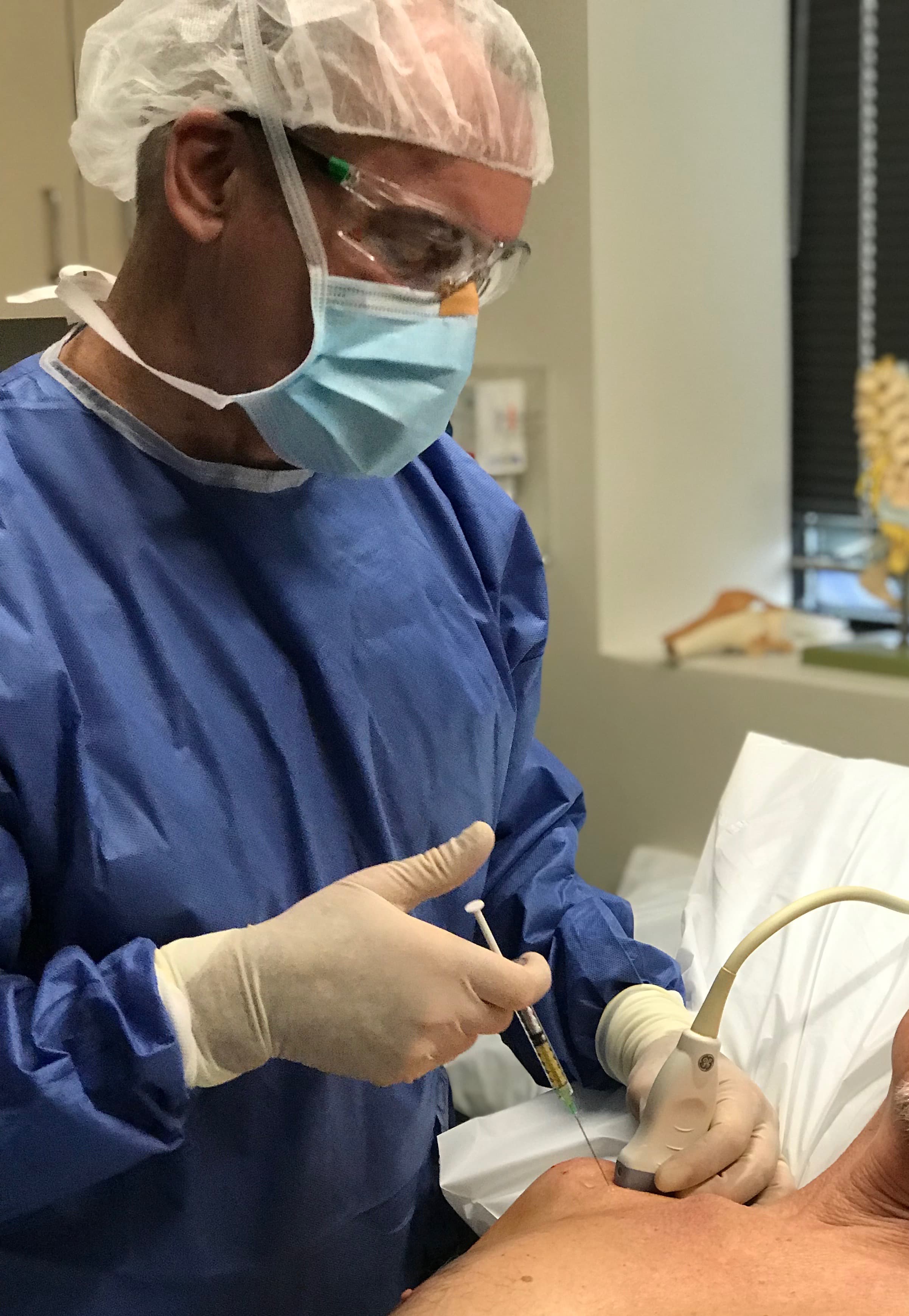
Micro-Fragmented Adipose
An FDA-approved, minimally invasive process that harvests a small amount of your own fat tissue — a rich source of mesenchymal stem cells, pericytes, and growth factors — through a mini-liposuction technique, then mechanically processes it in a closed sterile system before injecting it directly into the site of injury under ultrasound guidance. In clinical use for over 17 years across more than 90,000 cases nationwide, with a strong safety record for osteoarthritis and soft tissue injuries.
Download Patient Info (PDF)Ultrasound-Guided Nerve Entrapment Release
Also called percutaneous neuroplasty or nerve hydrodissection — an ultrasound-guided technique that uses injected fluid to mechanically separate scar tissue from a nerve that has become entrapped following surgery, trauma, or chronic repetitive movement. Dr. Mulvaney published the first medical literature describing this approach in 2011 and has taught the technique nationally and internationally for two decades. The procedure can address any peripheral nerve, and even spinal nerve roots, often providing relief within days.
Download Patient Info (PDF)Plasma Protein Concentrate Therapy
A concentrated preparation of a naturally occurring, broad-spectrum protein from your own blood plasma that binds and neutralizes the enzymes and inflammatory signals responsible for breaking down cartilage after an injury or in an arthritic joint. Because this protein is too large to reach the inside of a joint under normal conditions, concentrating and injecting it directly restores a protective effect that's often missing in an injured joint. Used alone, or to prepare a joint before PRP, BMAC, or micro-fragmented adipose treatment.
Download Patient Info (PDF)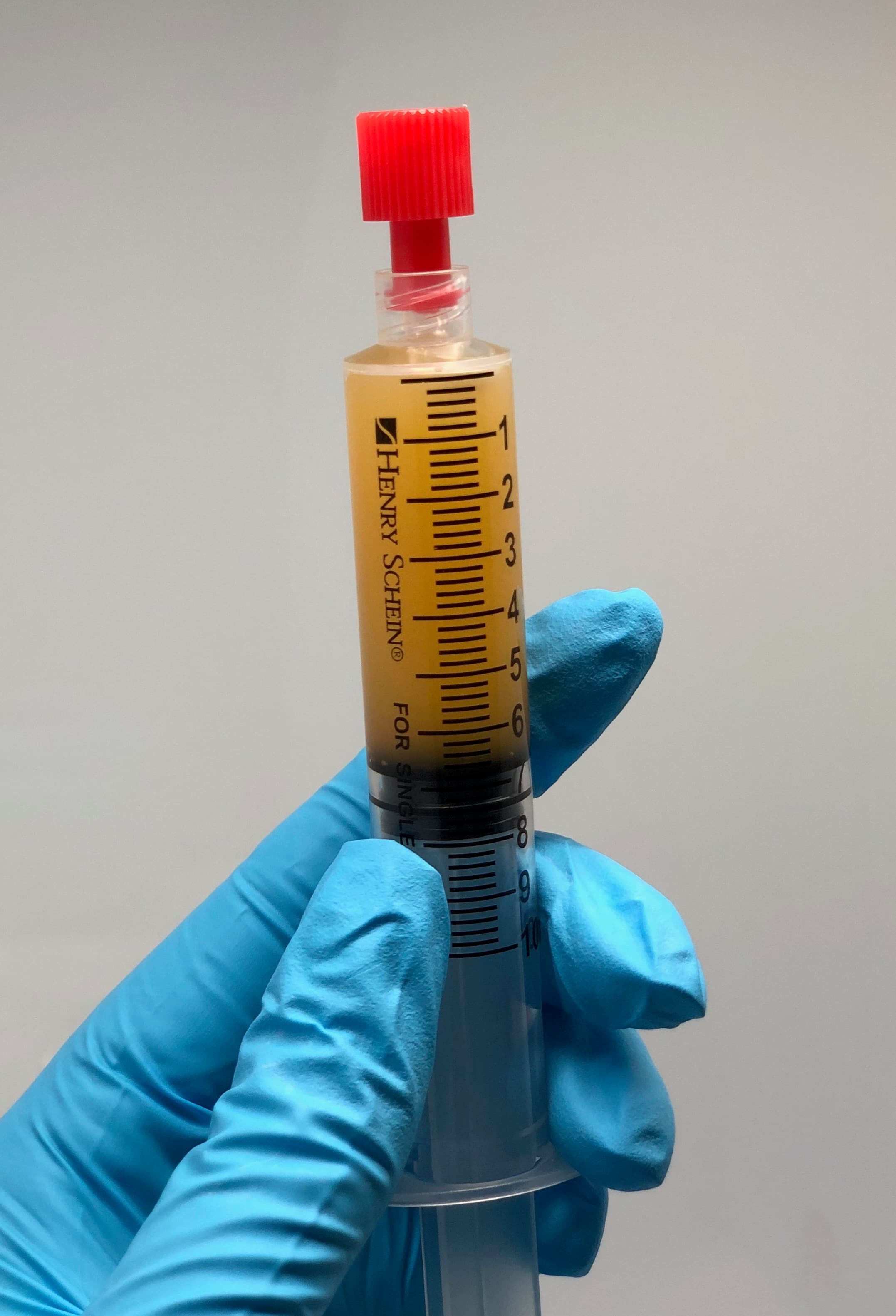
Platelet Rich Growth Factors (PRGF)
Concentrates your own platelets — drawn from a simple blood sample and spun down in-office — which release a cascade of growth factors and chemical messengers that initiate and organize tissue repair. The concentrated plasma is precisely injected into the site of injury under ultrasound guidance, targeting tendons, ligaments, joints, and damaged cartilage. Backed by published randomized clinical trials since the 1990s, with minimal downtime and no risk of allergic reaction since the treatment uses your own blood.
Download Patient Info (PDF)Prolotherapy
A dextrose solution injected into or near a lax ligament or tendon at its attachment to bone, inducing a controlled inflammatory response that triggers the body's own healing and collagen-remodeling process. A treatment modality used since the 1950s for chronic joint and spine pain caused by underlying ligamentous laxity — the loosening of connective tissue that holds a joint stable over time. Especially effective for chronic low back and neck pain and hypermobility-related joint instability, typically delivered as a series of sessions spaced about a month apart.
Download Patient Info (PDF)Shockwave Therapy (SoftWave)
Acoustic pressure waves delivered through the skin trigger mechanotransduction — converting mechanical energy into biological signals that increase blood flow, activate stem cells and growth factors, reduce inflammation, and stimulate the body's own healing response in chronic tendon, ligament, muscle, and bone injuries. Dr. Mulvaney uses SoftWave, an unfocused device that spreads energy across a broad treatment zone rather than a single point, allowing safe, potent dosing with no needle involved. Used for plantar fasciitis, tennis elbow, rotator cuff tendinopathy, and other chronic overuse injuries. Published research has also shown shockwave therapy can augment other regenerative treatments, such as PRP.
Download Patient Info (PDF)Scar Release
Ultrasound-guided injection of fluid under a scar or area of adhesion to mechanically break up the bands of fibrous tissue that form between skin, fascia, muscle, and nerve after surgery, trauma, or prior injections. This hydrodissection technique relieves nerves and tissue planes trapped in scar tissue and restores normal gliding and movement, often with meaningful pain relief immediately after treatment — particularly useful for painful surgical scars and post-surgical stiffness.
Download Patient Info (PDF)Diagnostics & Related Procedures
Musculoskeletal, Pelvis & Spine Diagnostic Ultrasound
A painless, radiation-free way to visualize muscles, tendons, ligaments, and nerves — including dynamic exams while the body part is moving.
Connective Tissue Disorders & Hypermobility
A regenerative approach to lasting stabilization for Ehlers-Danlos Syndrome (EDS) and hypermobility spectrum disorders.
How was Dr. Mulvaney's approach to spine pain different?
Treating the spine as one connected functional system, not a single disc or joint that failed on its own.
Recovery Resources
Rehabilitation protocols, cross-training guides, and recovery resources for every stage of healing.
View Patient Info & Rehab ProtocolsReady to Get Started?
Call our Annapolis office to discuss whether a regenerative treatment is right for your injury.
Call 410-505-0530